
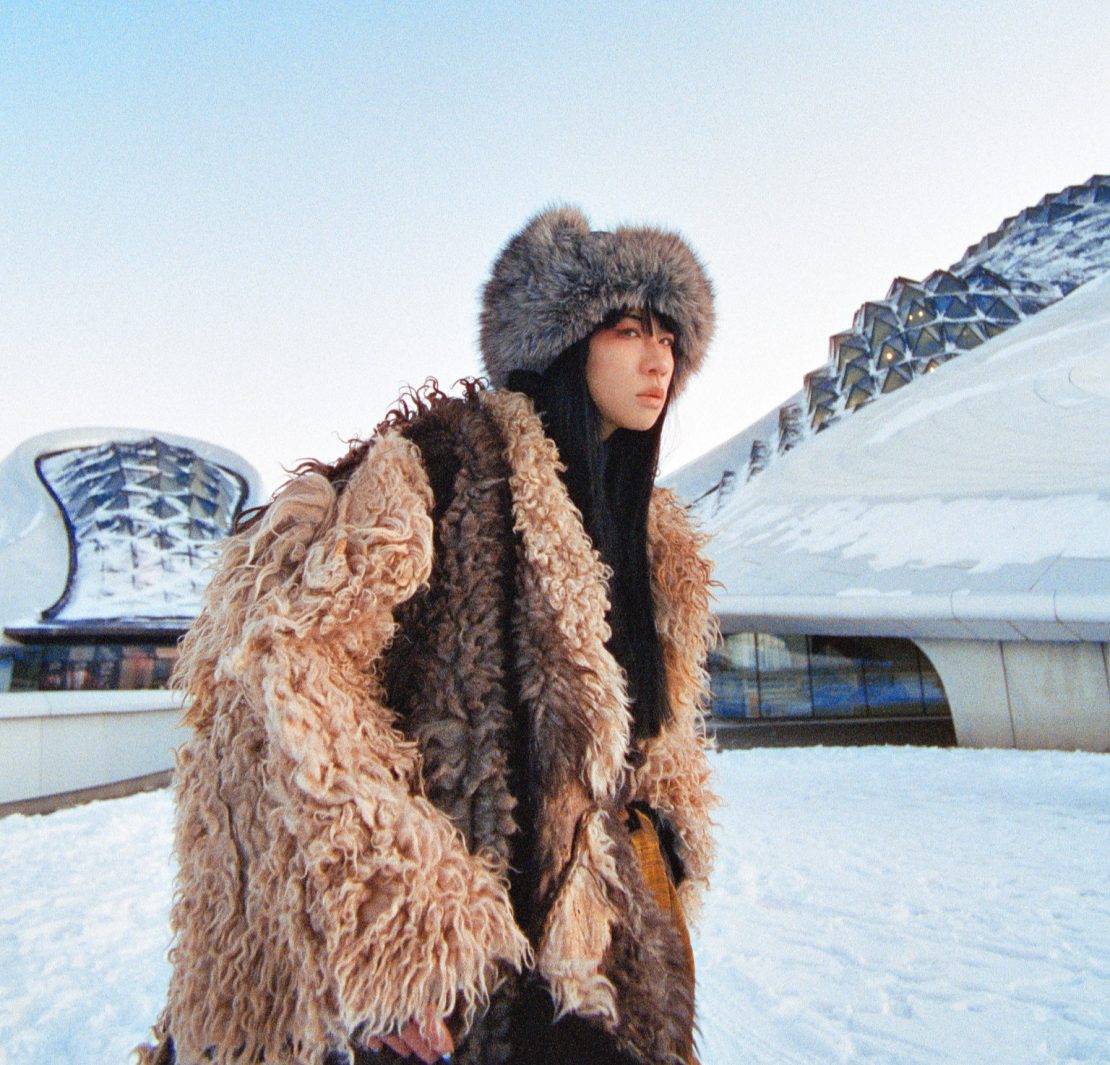
Over the holidays, I made my way to China’s coldest provincial capital. Harbin: where winter temperatures hover at −20°C, Dongbei-babushka Mixue dots every corner, and history sits alongside heartwarming kitsch and Chinese-style urbanisation.
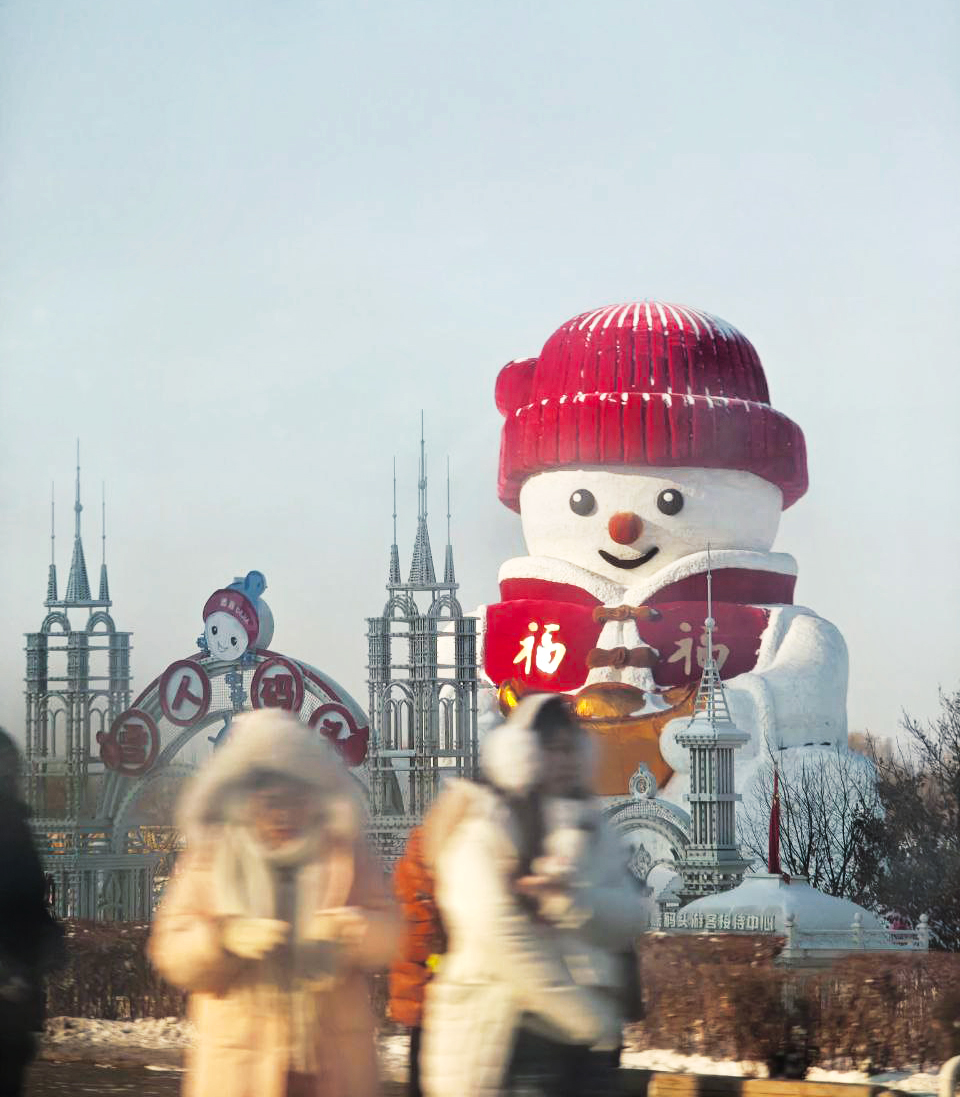
The Dongbei aesthetic is seemingly child-like or conventionally pretty and largely free of cynicism, especially when compared to that of larger metropolitan cities. Tons of snow were made into sculptures of friendly giant snowmen around the city; with many more in the Ice and Snow Festival. A larger-than-life sculpture of majestic horses greeted visitors to Stalin Park.
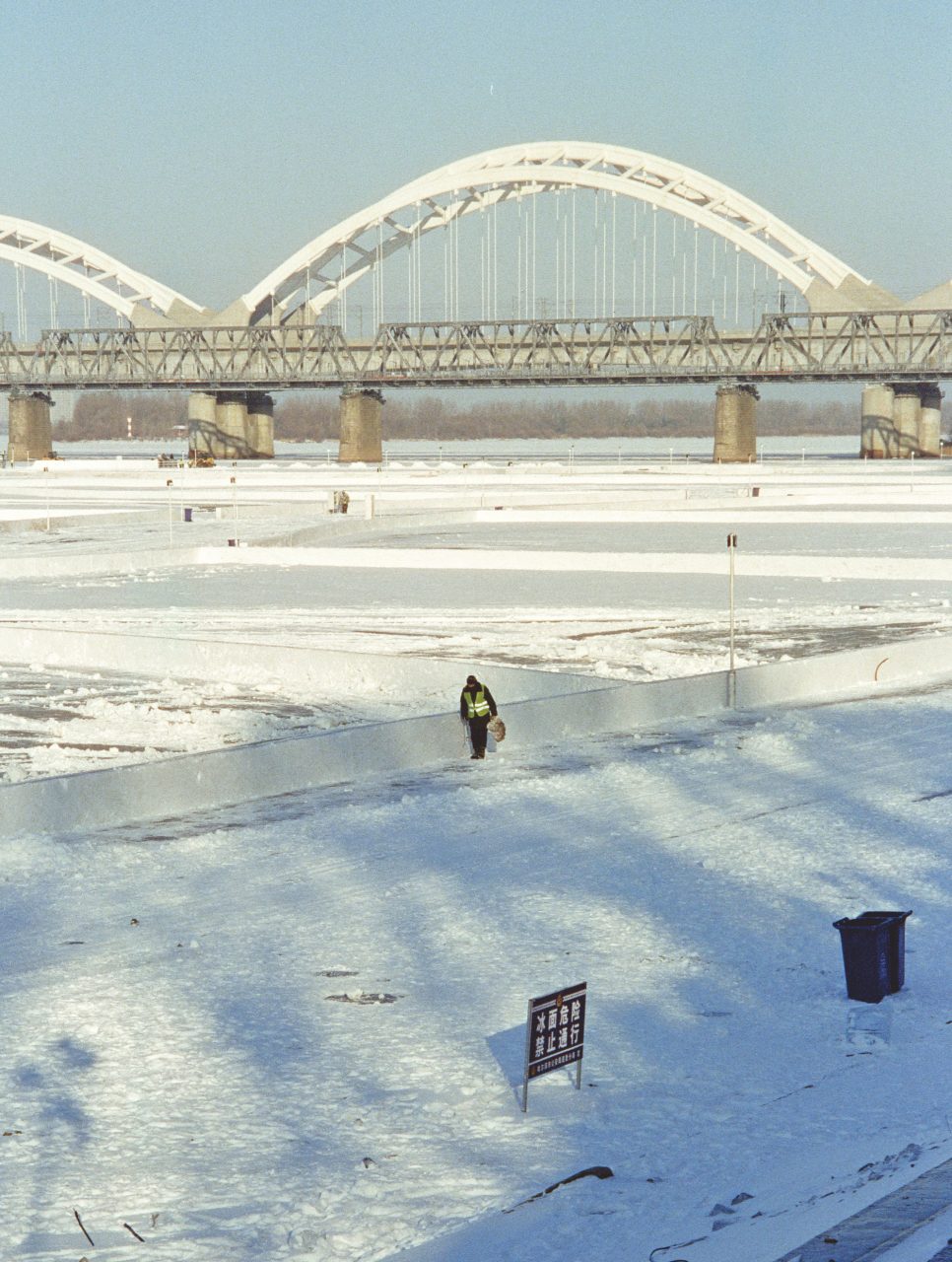
Songhua River
A scenery in white
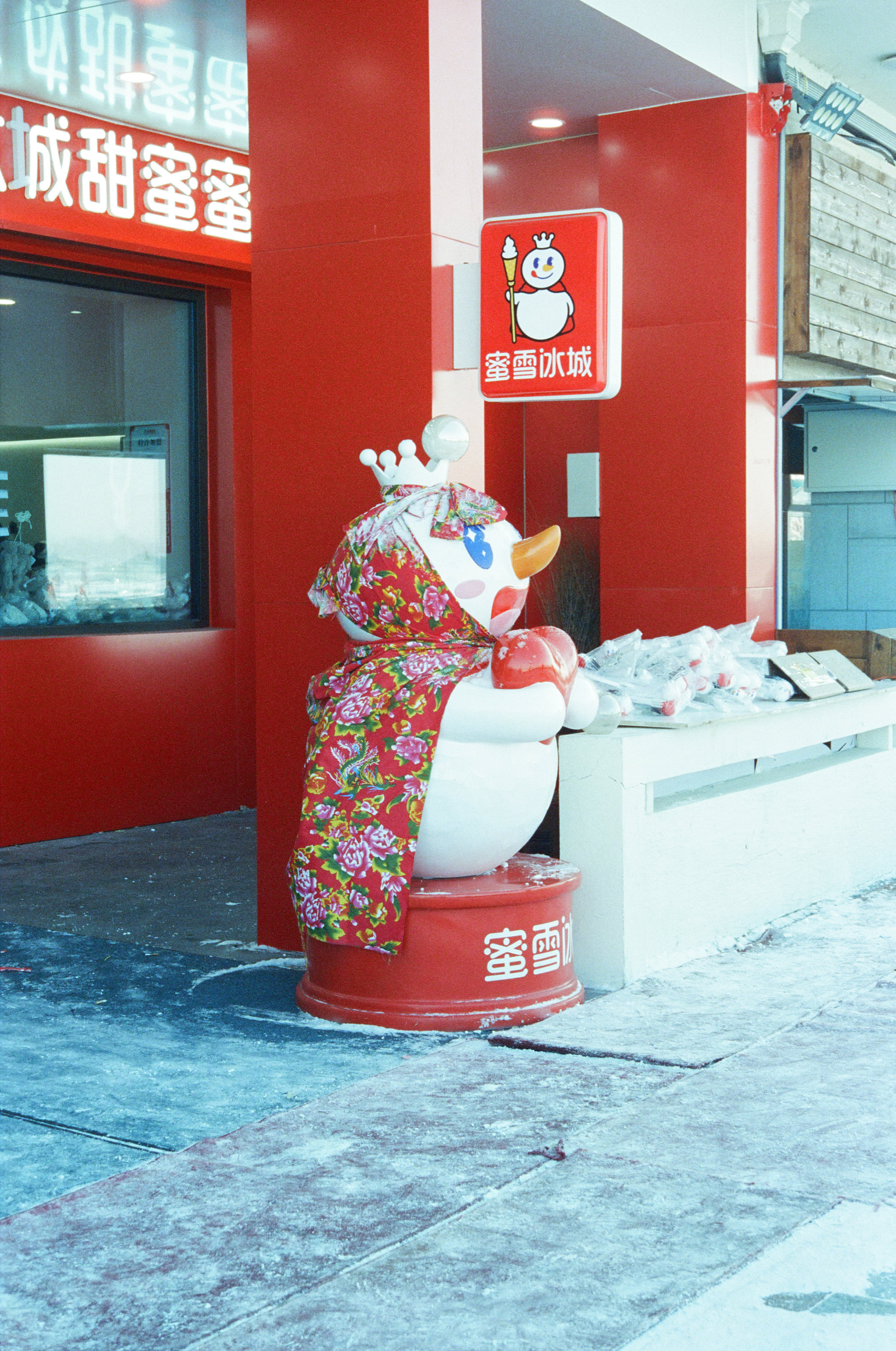
Mixue Snowman
Looking right at home as a Dongbei babushka
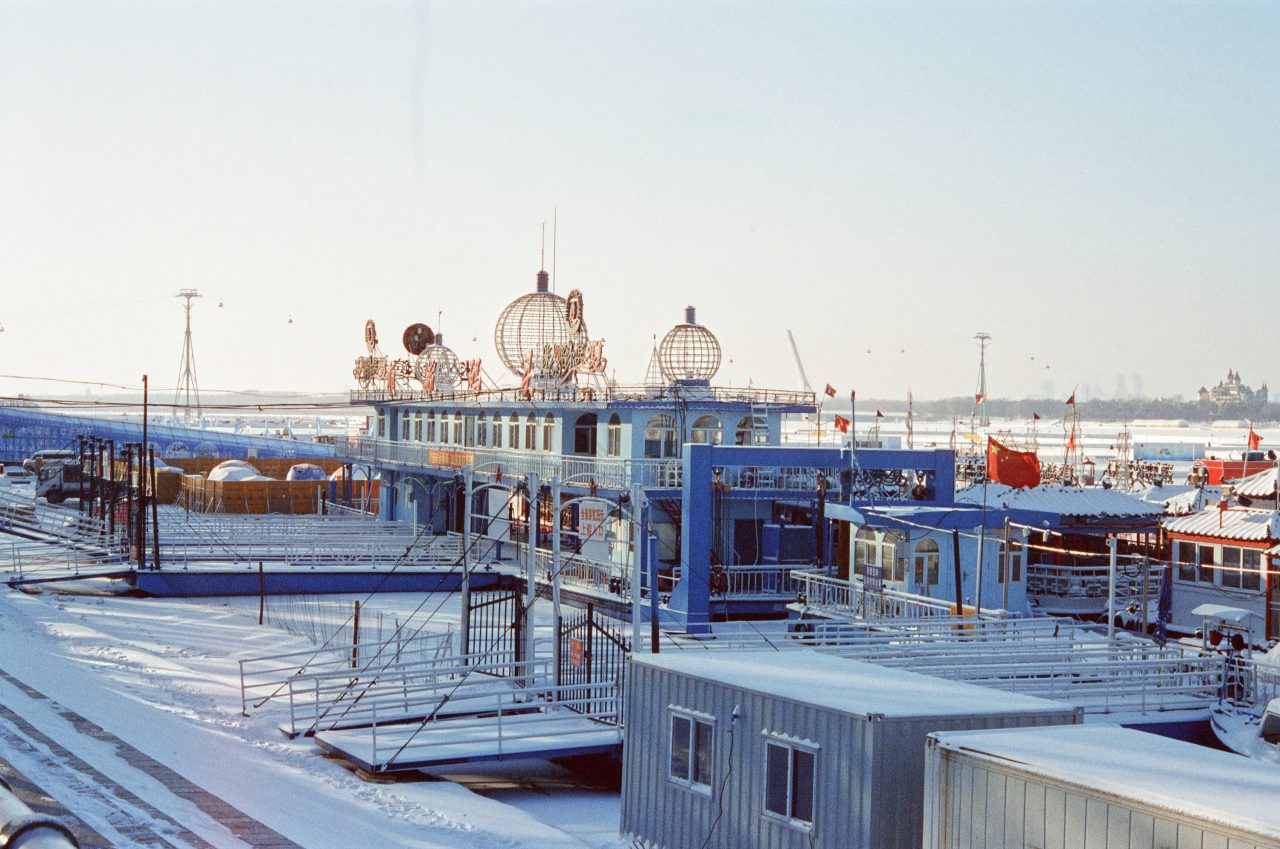
A CRH flew along the bridge spanning the frozen Songhua River. For train watchers, this is the ideal vantage point. A Mixue stand sits right in the centre for warm hydration, with public restrooms just a few feet away. While extremely cold, the sun never stopped shining and the skies were always blue; unlike my trips to the North years ago. Just one of the many quality of life improvements I’ve seen over the years in China.
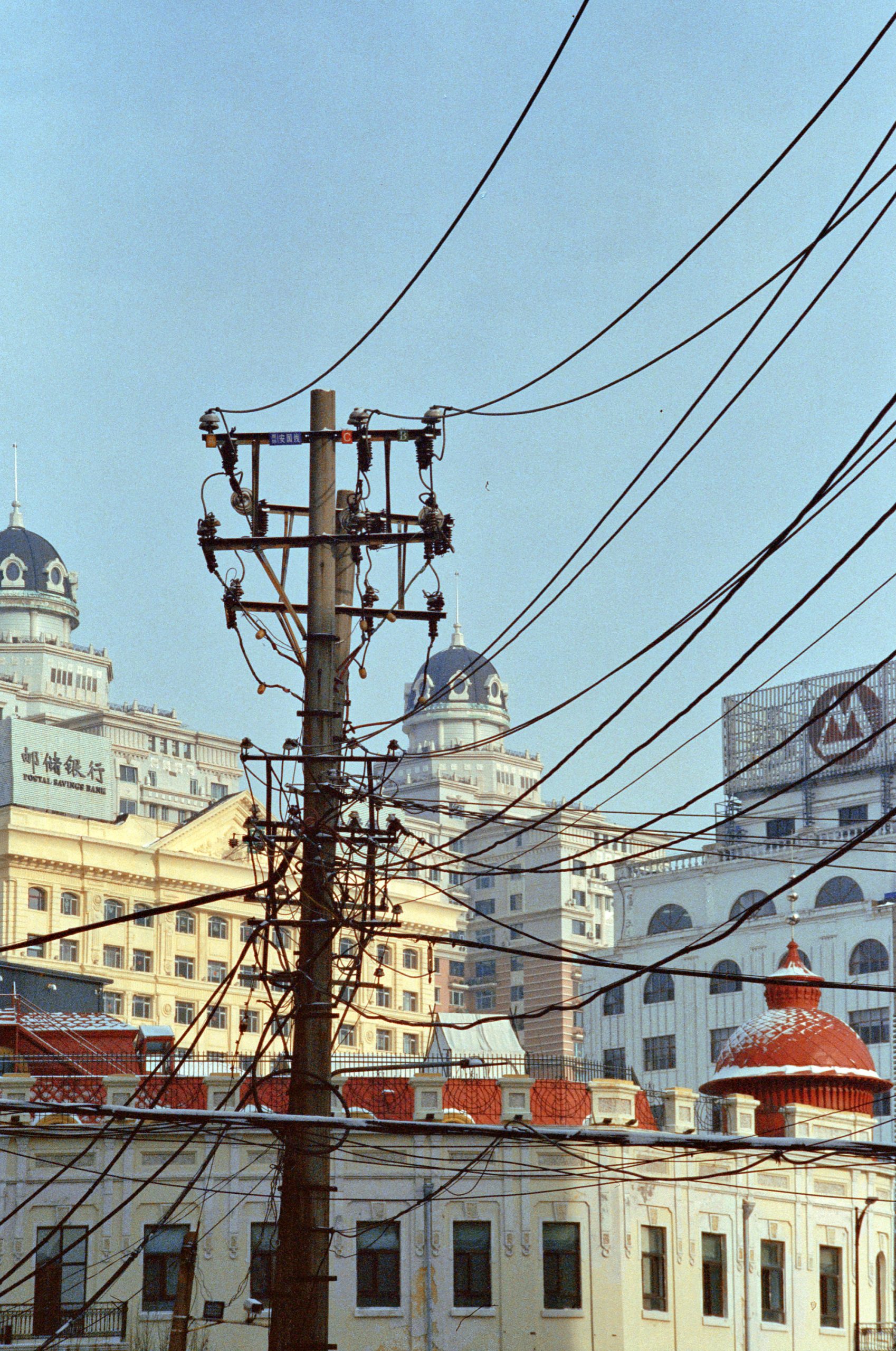
Though the early Russian origins of Harbin remain highly visible in the city’s architecture, most of its dark 20th-century history has been replaced by the beautiful banality of ordinary life.
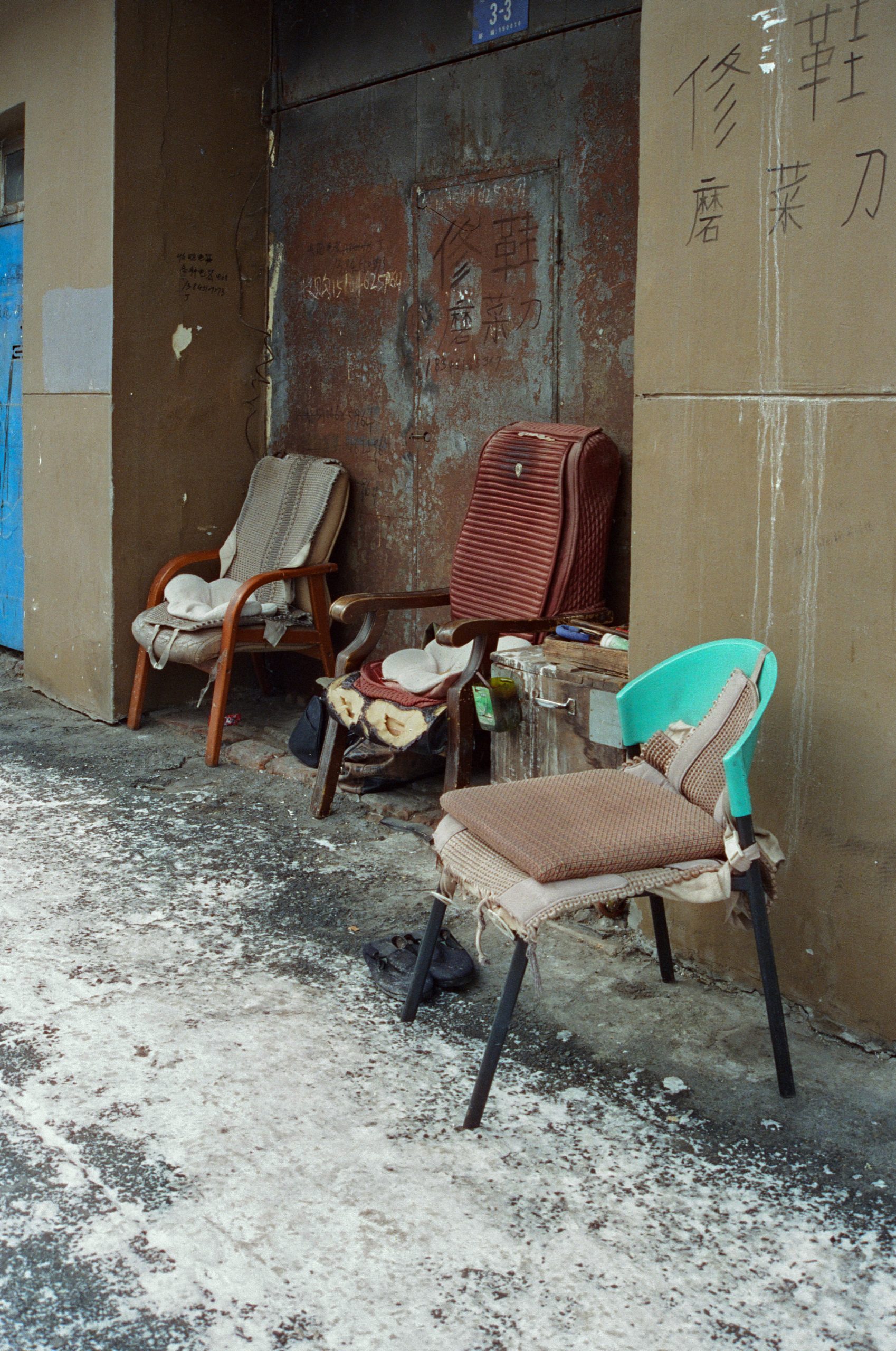
Old diesel vans with dents and scrapes flitted in and out of alleys, luxury cars roamed the swankier parts of town. Brigades of snow shovelers scraped away snow and sludge. High-rise residences have been built in newer neighbourhoods. A sparse cluster of LED-lit office towers lights up the night sky, mirroring a tried-and-tested blueprint from larger cities. In the central old city, you can explore neighbourhood compounds unimpeded. Inside, you might find a nondescript restaurant serving delicious slabs of braised meat, a tattoo parlour or a jewellery shop. Beautiful cafés can be found on the road-facing side. Wherever you go, and this is true for much of the country, you will find elderly people gathered in neighbourhood nooks and crannies, their presence marked by worn out pre-IKEA chairs.
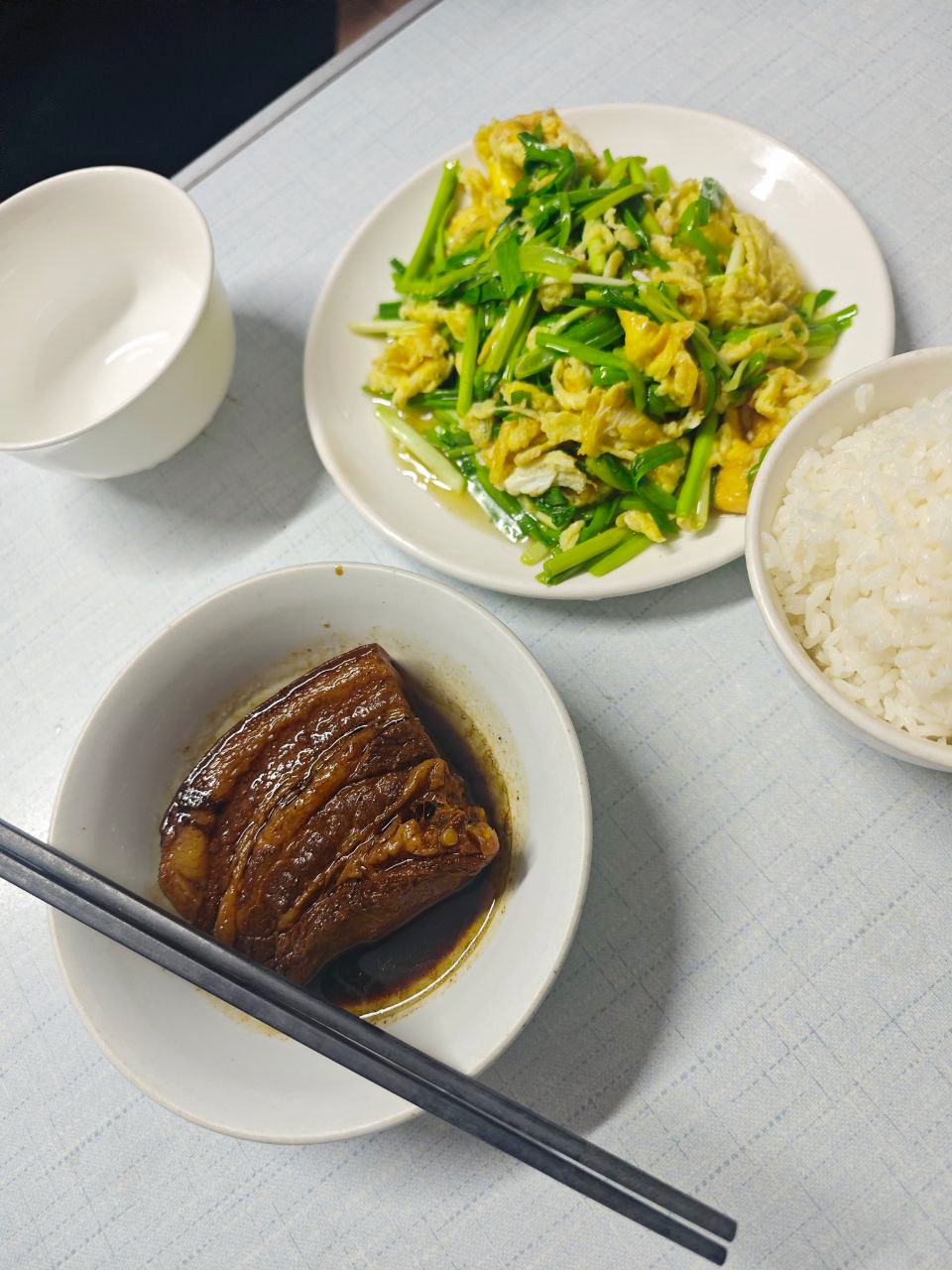
Like anywhere else in China, there is no shortage of good food to be had. A $10 meal for two in Harbin can be just as delicious and satiating as a hundred-dollar meal. A distinct quality of Harbin’s food boils down to the strains of rice and wheat grown in the province, which differ from those grown elsewhere in the country. The rice is fluffier; the noodles chewier. Grown just next door, the prized Wuchang rice is known for its fragrance, sweetness and glutinous mouthfeel, which complements all fried, steamed and braised dishes. Ever since my first taste of it, I have not returned to the jasmine rice I grew up with.
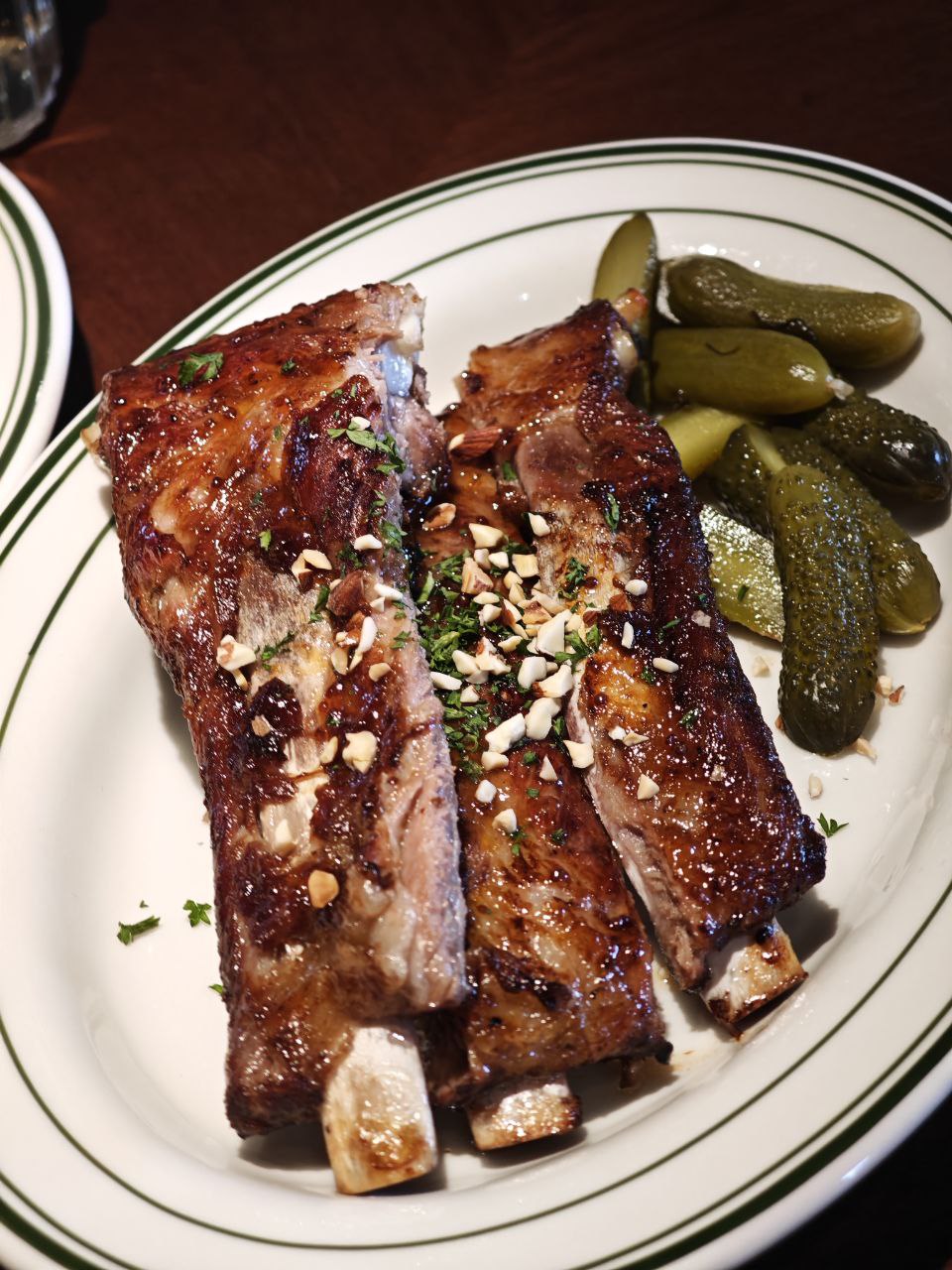
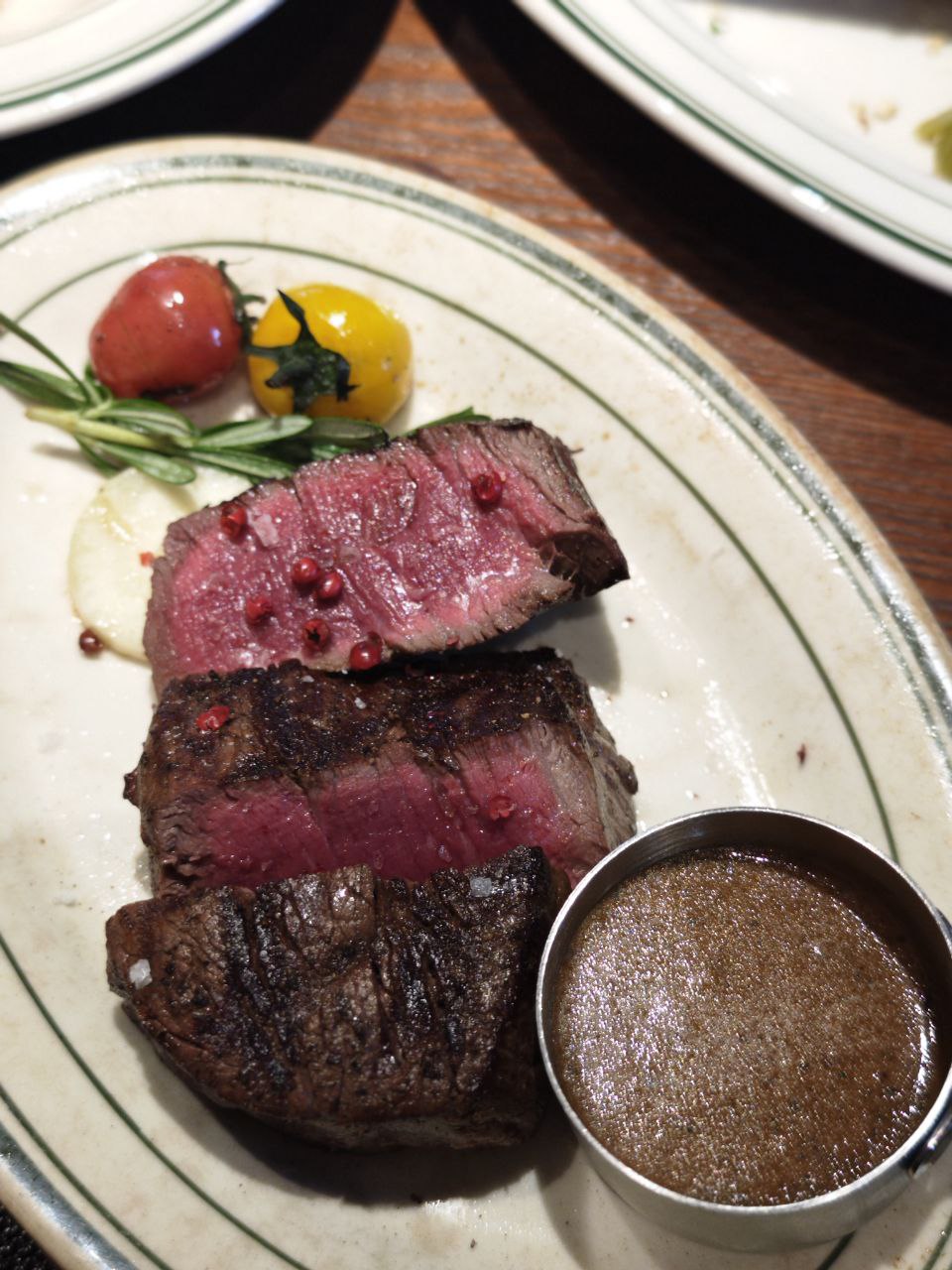
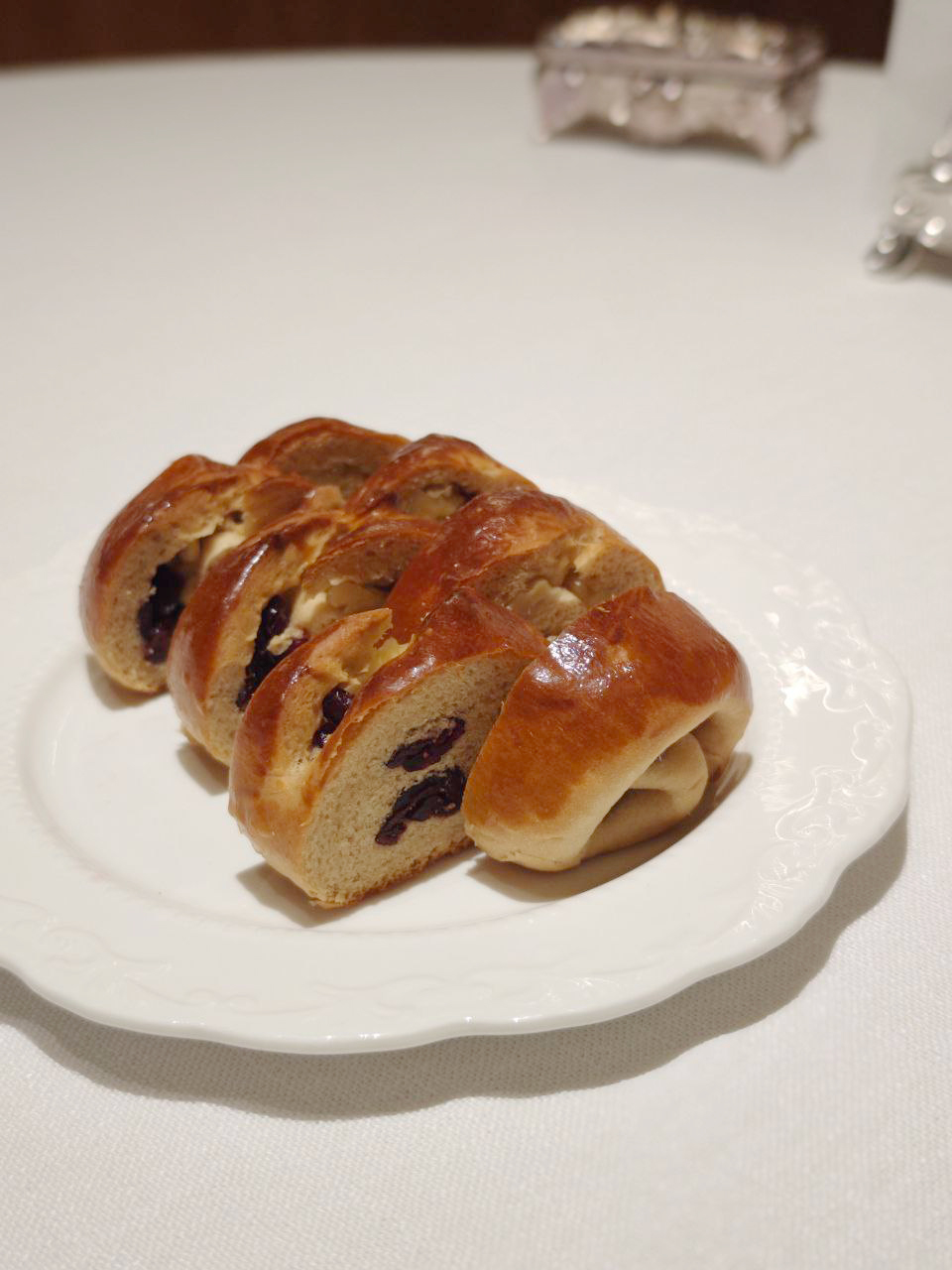
There is a also marked Russian influence in some of Harbin’s culinary practices. They introduced baking techniques that gave rise to lieba, a hardy, dense bread that differs from the traditional soft steamed buns or fried, crispy doughs. I did notice that every plate of steak was served with gherkins.
According to Dianping, China’s most popular review platform, one of the most authentic Russian restaurants in Harbin sits outside the touristy area. On a signboard no more decorative than that of an accountant’s office was the words Acorn Café, written in Chinese and Cyrillic. Even sparser than its signboard was the interior itself, like walking into a vintage Russian communal apartment, or a university dorm from the 70s.
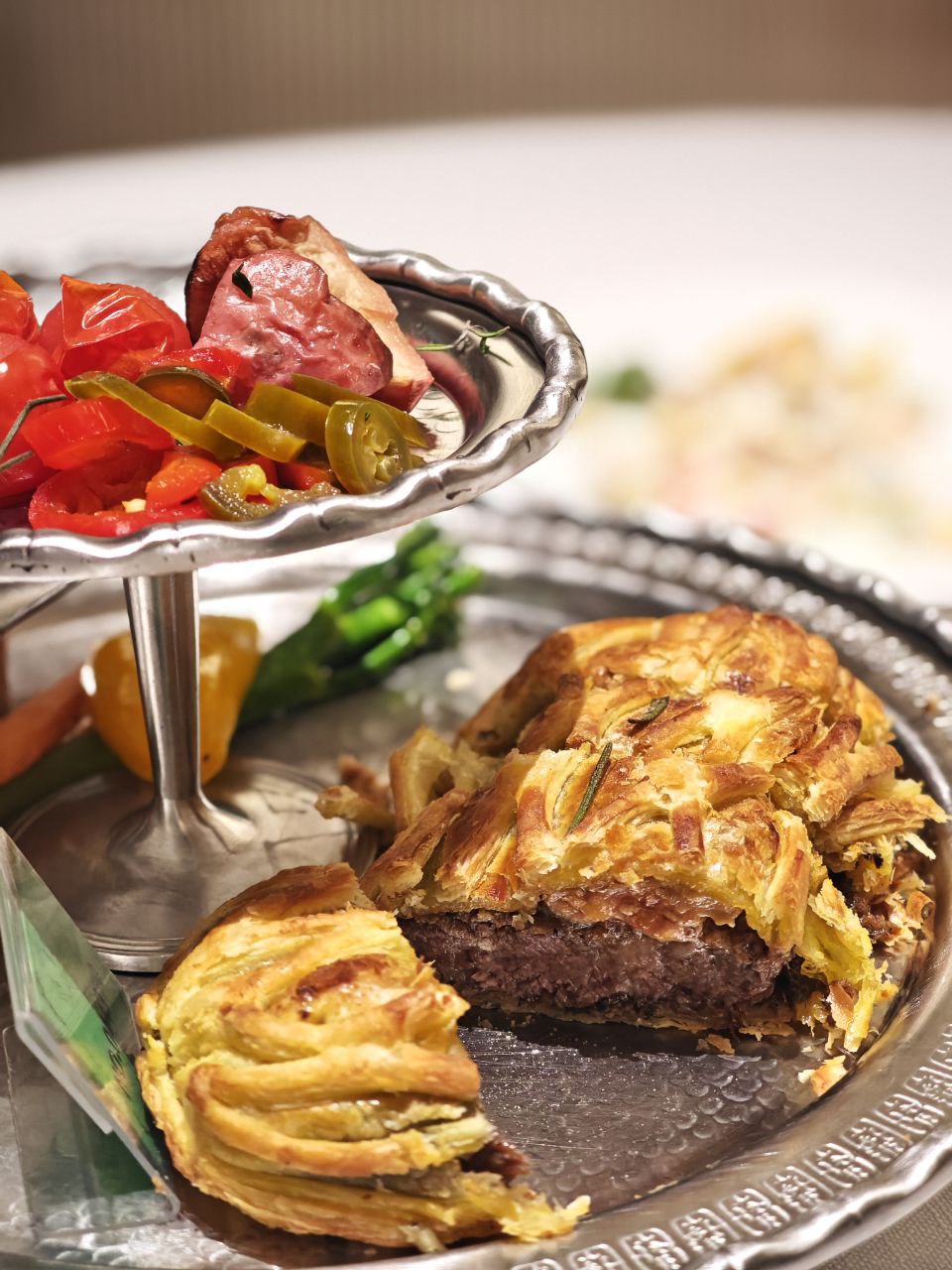
Plain hunter green walls with wooden skirting boards were decorated with black and white photos of the city in its former glory. There was a ubiquitous painting of a colourful scene on another wall looking severely out of place. On a wooden cabinet stood kitschy knick-knacks, including several tiny hedgehog figurines, presumably a nod to the beloved 1975 Soviet animation. No giant matryoshka, no Christmas tree, and certainly no chandelier. Diners sat on brown velvet chairs that were too large for the square tables covered with floral tablecloths. Food was served the way my grandmother would have: slopped onto a random mix of ceramic wares without a single attempt at presentation. No faffing about, diners had to focus on flavour, grapple with large serving sizes and potentially, authenticity.
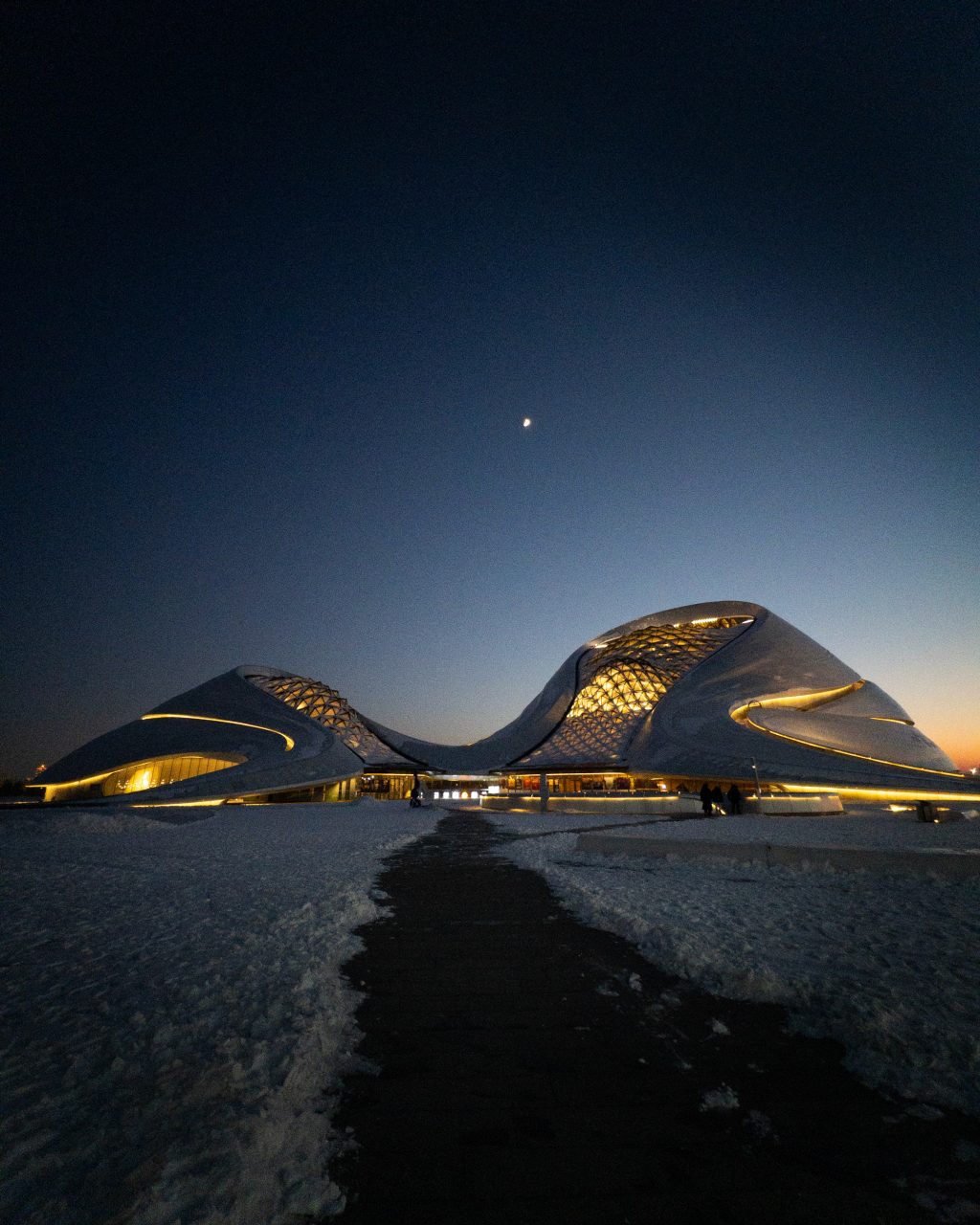
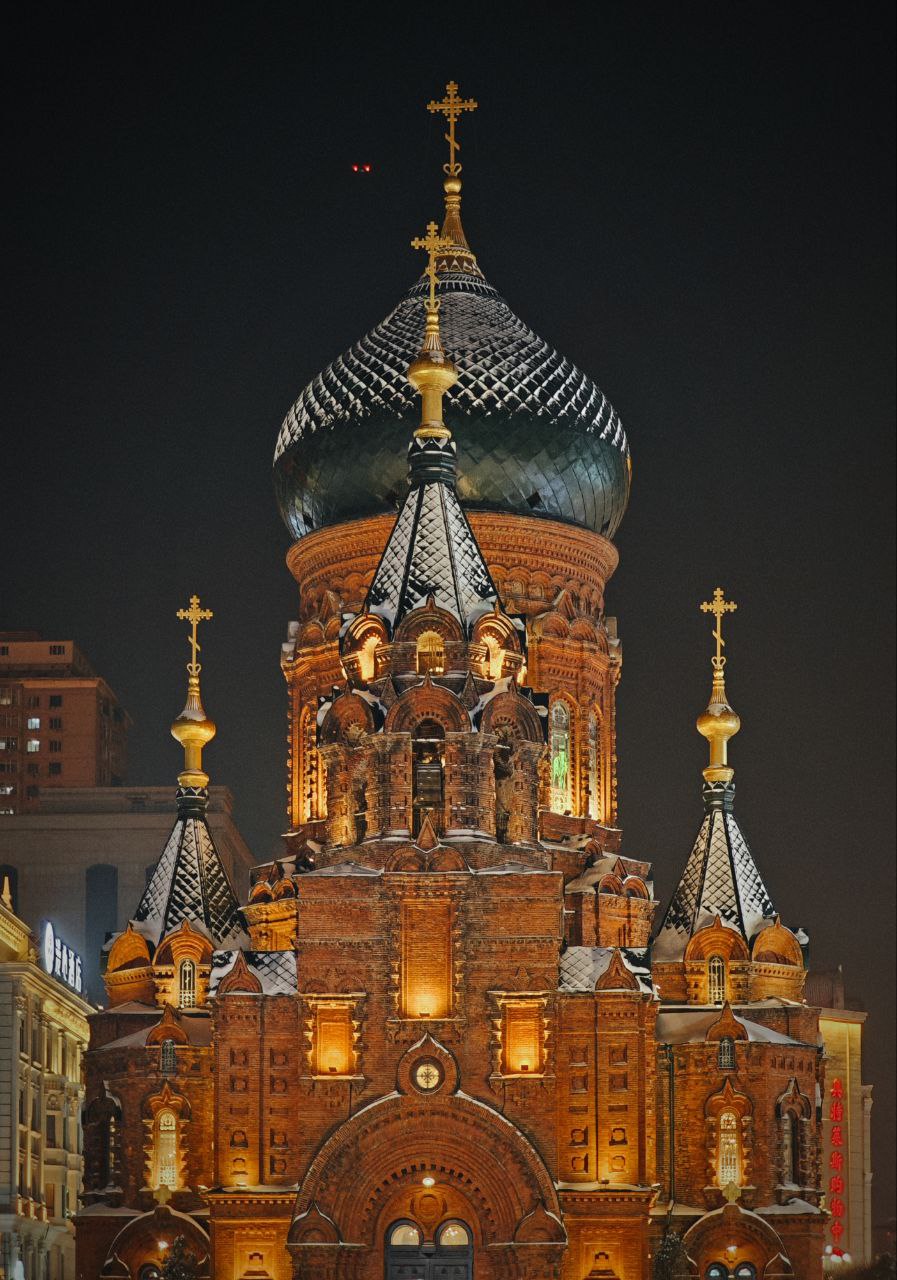
Of all the virtues that this city has to offer, what I appreciated the most was the unobstructed view of the night sky which is becoming a rarity in Chinese cities. Just a short drive away from St. Sophia Cathedral in the city centre, you can be enveloped in complete silence. On Sun Island, I came for the Opera House and stayed for the moonrise.
As a temporal visitor, it is easy to sing praises of new environs, especially one that is vastly different from home. I could simply focus on the beauty of white snow and glorious winter sunlight, of gorgeous cuisines and quirky local customs. Yet I also observed the difficulties of living in a place with such a harsh climate. The unsung heroes of the city steadfastly carried on with their tasks. What felt like a gentle breeze on my face would have felt like daggers on the eyes and noses on delivery and courier workers, whose electric bikes – maxed out at 20kmph – struggled against stronger winds. Icy roads further impeded their journey, forcing them to slow down while the algorithmic countdown ticked on mercilessly, with reminders voiced by a soothing, feminine voice. Snow shovelers and street cleaners remained outdoors for hours on end to keep the streets safe for cars, scooters and pedestrians.
Upon coming back to a worse type of winter that Shanghai is known for, I spoke to someone I knew who came from the outskirts of Harbin. She spoke of the brain drain of the city, of businesses struggling to survive as the younger generation is unable to find work outside of blue collar industries and agriculture. Brighter nodes of commerce and technological innovations are blooming in warmer regions, from Tianjin to Hangzhou to Shenzhen. Incidentally, my long-time model and collaborator also hailed from Harbin. When asked if he would return eventually, he was quick to answer no, validating what my other acquaintance said.
With that said, Harbin is a China that is not quite like the rest of the country. Its Northern hospitality remains unmatched. Gregarious aunties and boisterous uncles manned most establishments. Often I found myself speaking louder than I usually do to match their energy. More so than their delicious food, rich history and beautiful landscapes, it is the people who make the city a great place to visit.

Great read, looking forward for more!